.png?t=)
.png?t=8361160c_c854_4861_a594_5faa08ac91b2)
Martinique
In figures
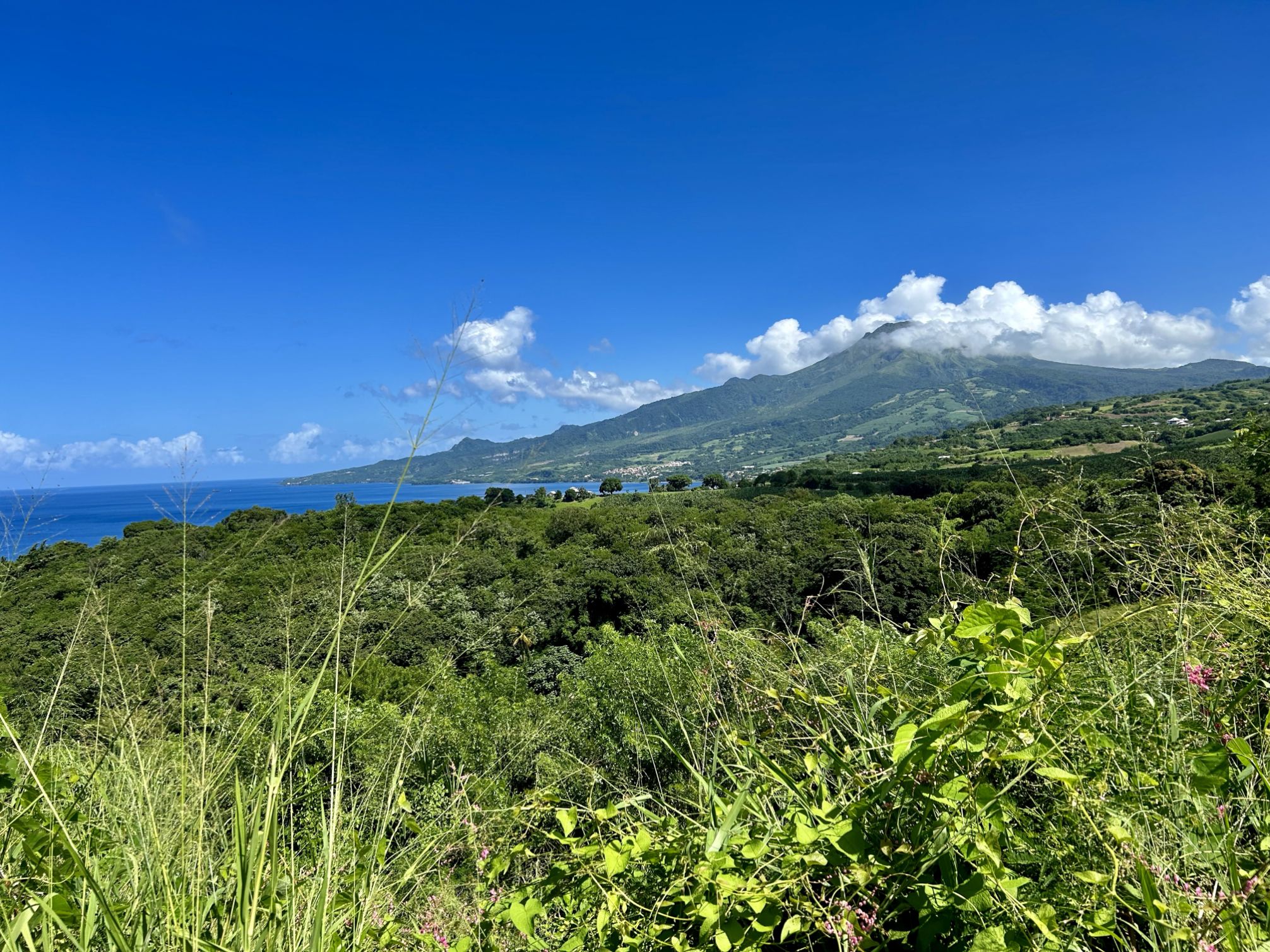
Martinique is a small island of 1,100 km² located on the 14th parallel north, in the eastern Caribbean Sea. Relatively flat in its southern part, Mount Pelée rises to a height of 1,397 meters in the north. The climate is decidedly tropical, with temperatures remaining almost constant at around 30°C.
It was discovered in 1493 by Christopher Columbus and colonized in 1635 by the French, who exterminated the few native Indians then living there. Sugarcane cultivation and the triangular trade were established very early on. The latter consisted of capturing slaves in Africa, exchanging them in the Antilles for sugar or other exotic goods of high market value, and then selling them in Europe. During the 17th and 19th centuries, the island passed into British hands a few times, but ultimately remained French. Sugar cane planters attempted to make the island independent in 1790, but their plans were thwarted, notably by the abolitionist movements of the slaves, an abolition that finally came to fruition in 1848 thanks in particular to Schoelcher.
The island is therefore now a French department with a population of approximately 340,000. Compared to neighboring islands, the road network is of good quality (surface), but it is congested on weekdays (southbound in the morning and northbound in the mid-afternoon). Avoid the Fort-de-France area in the morning, or very early (before 6:00 AM), if you plan to visit the north.
Landscapes
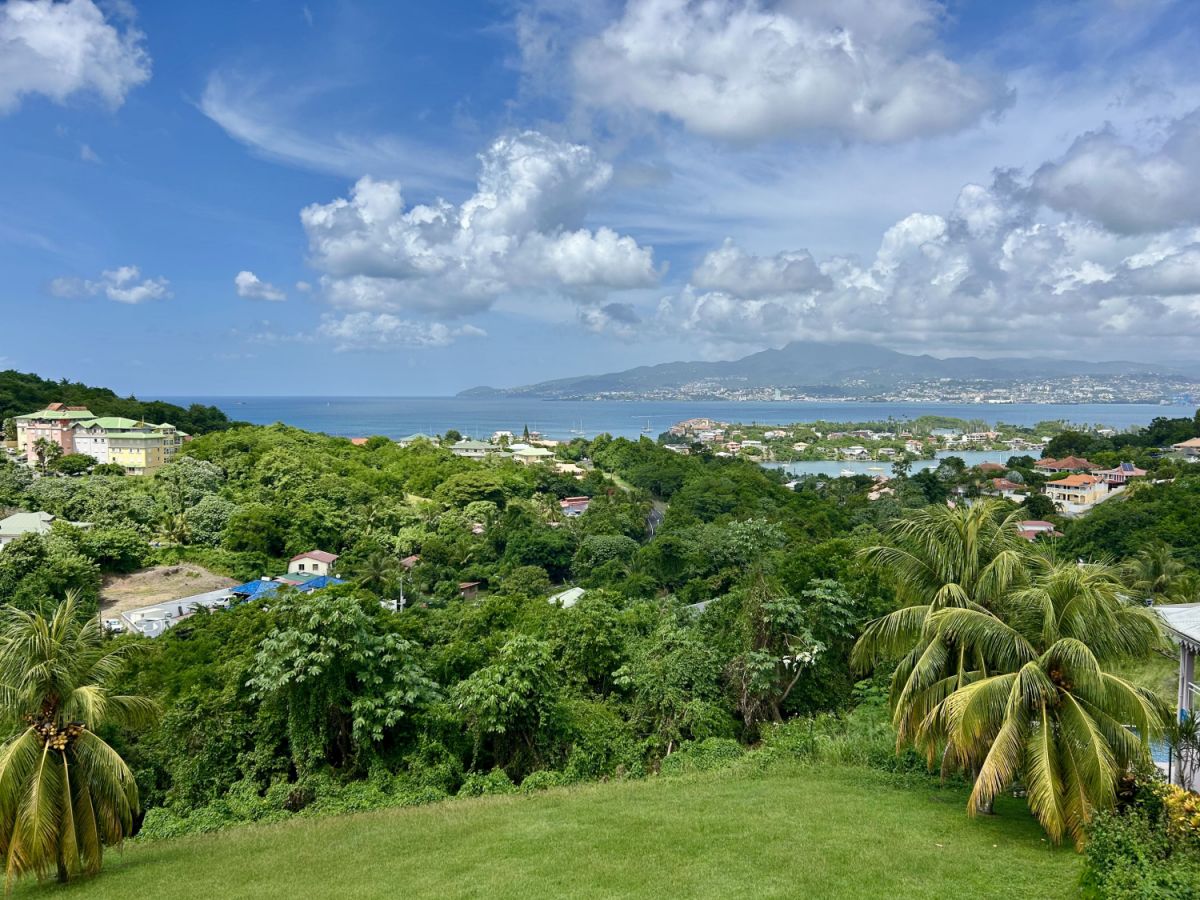
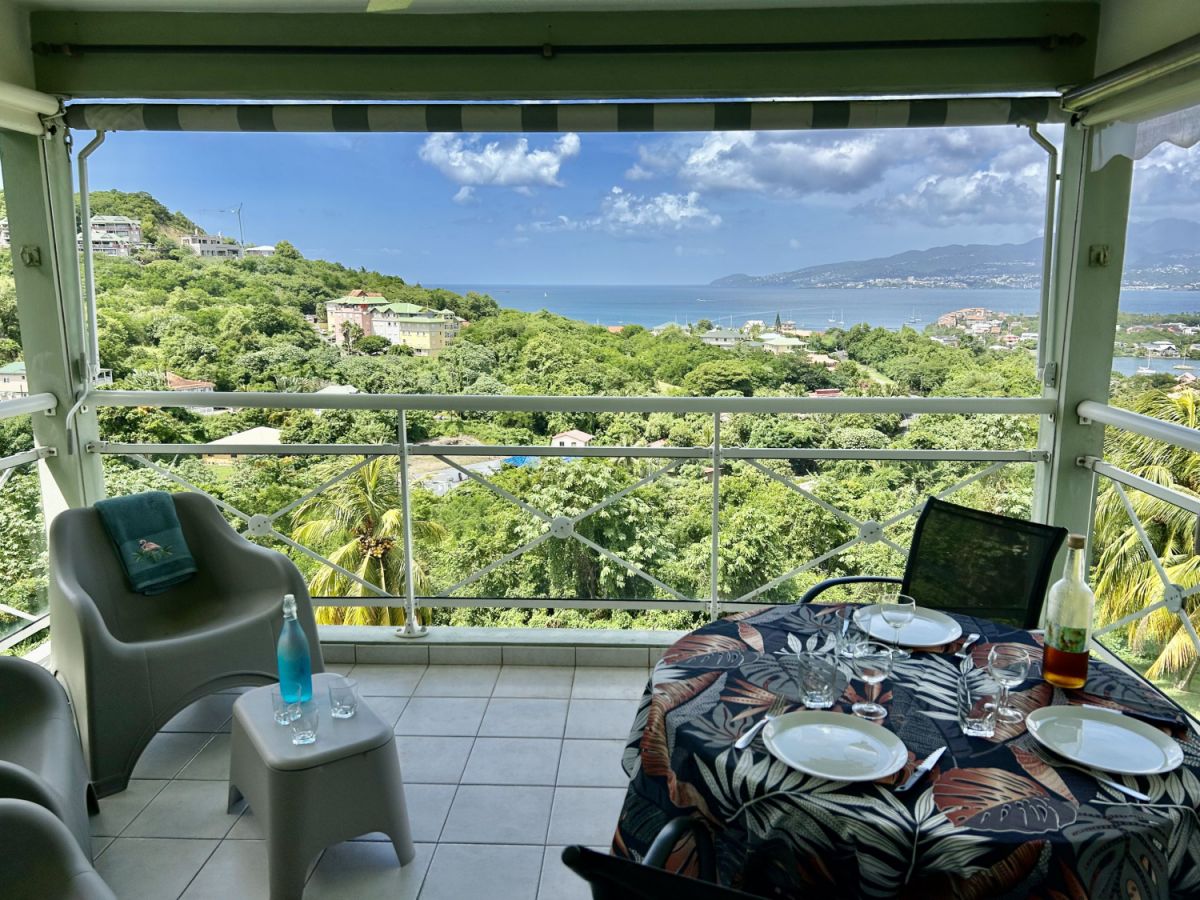
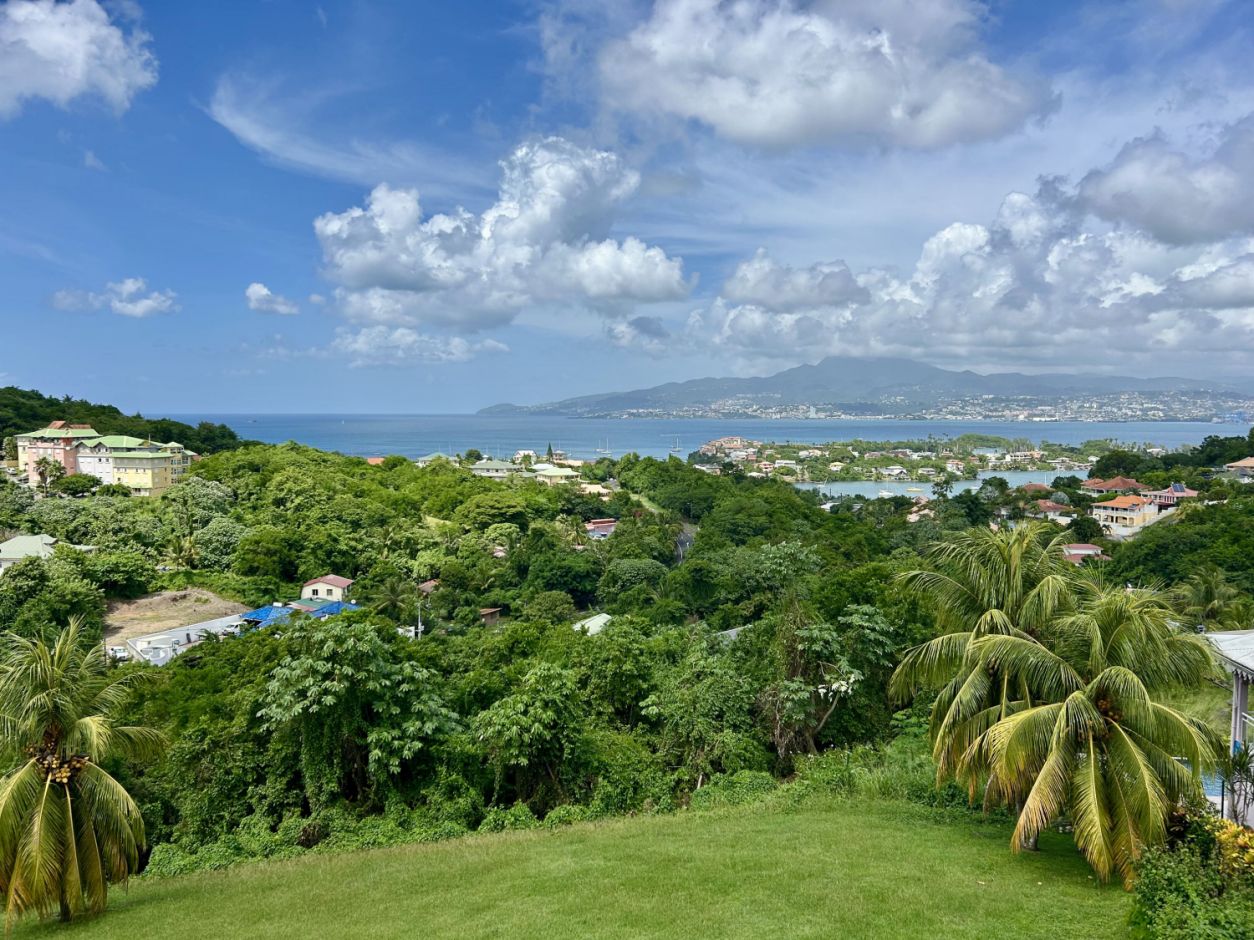
What is very appealing about Martinique, despite its small size (70 km high and 35 km wide), is the island's great diversity of landscapes. The south of the island is a paradise for beachgoers and divers: white sand, turquoise waters, coconut palms... pleasure boats flock there in droves.
During the summer, the unmissable event:
The Tour des Yoles de la Martinique (Martinique Yole Race) from late July to early August

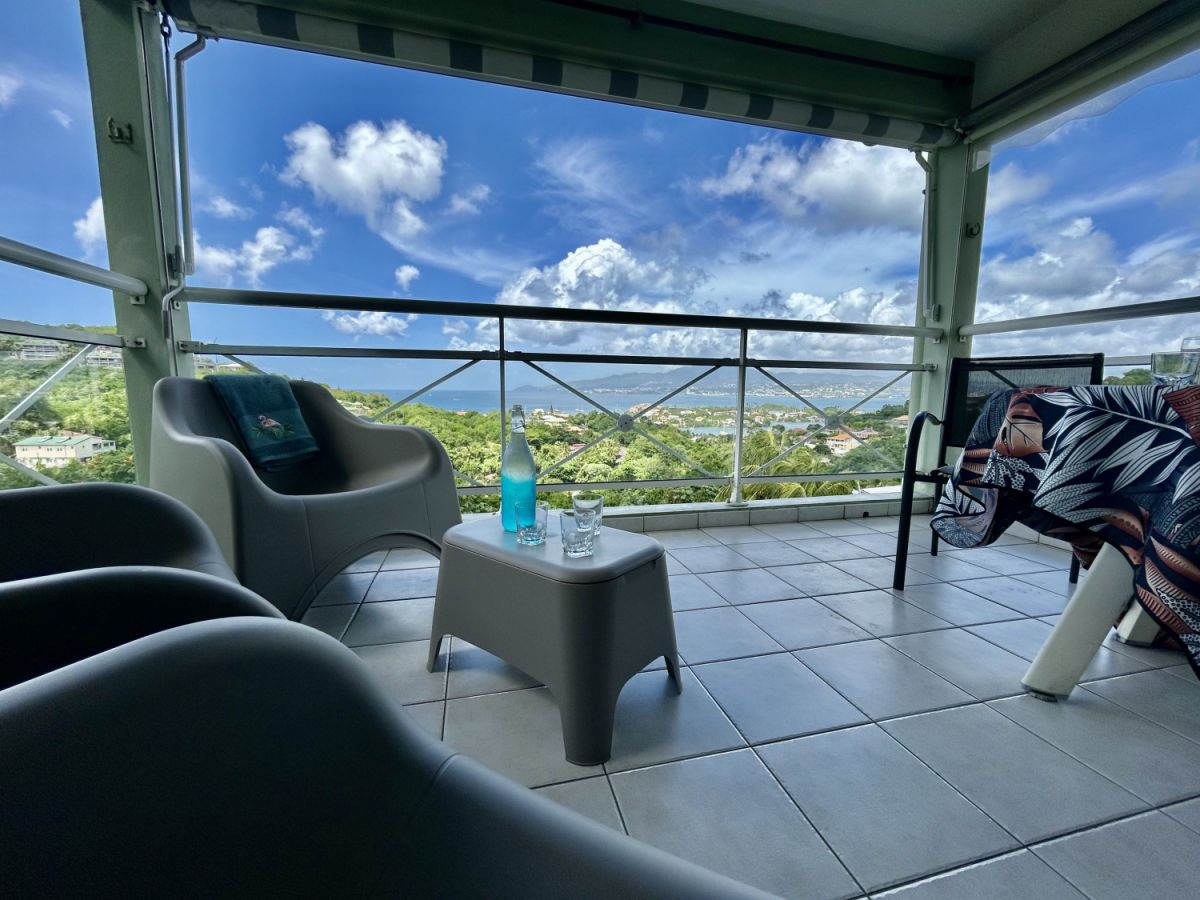
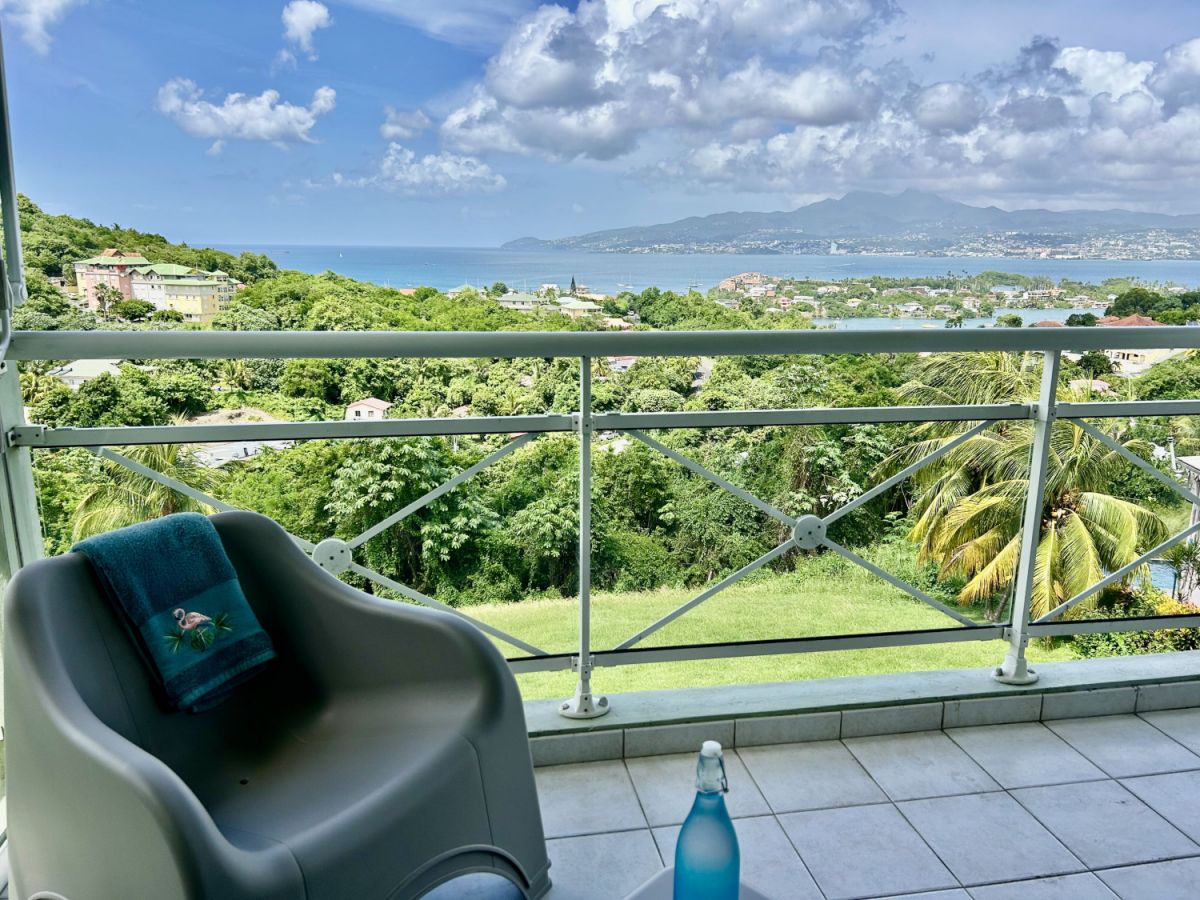
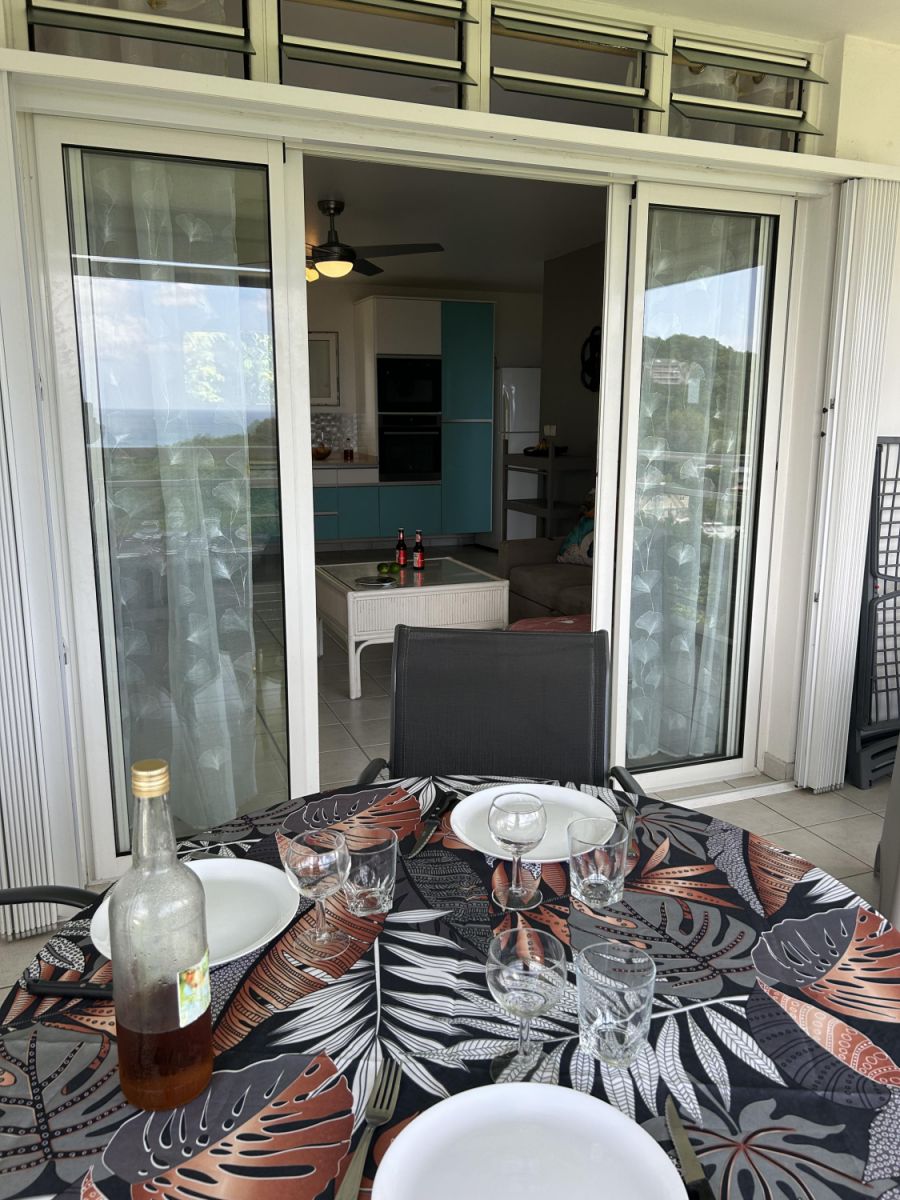
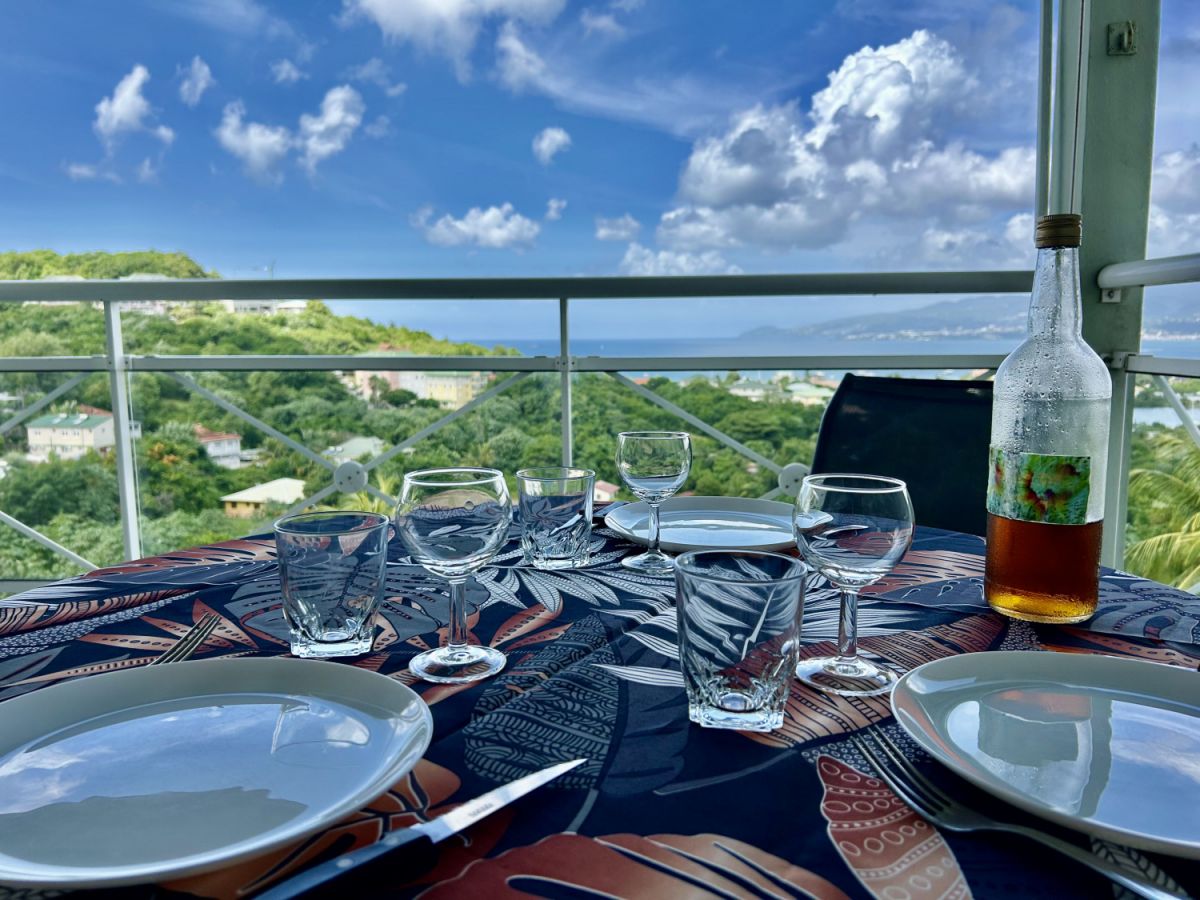
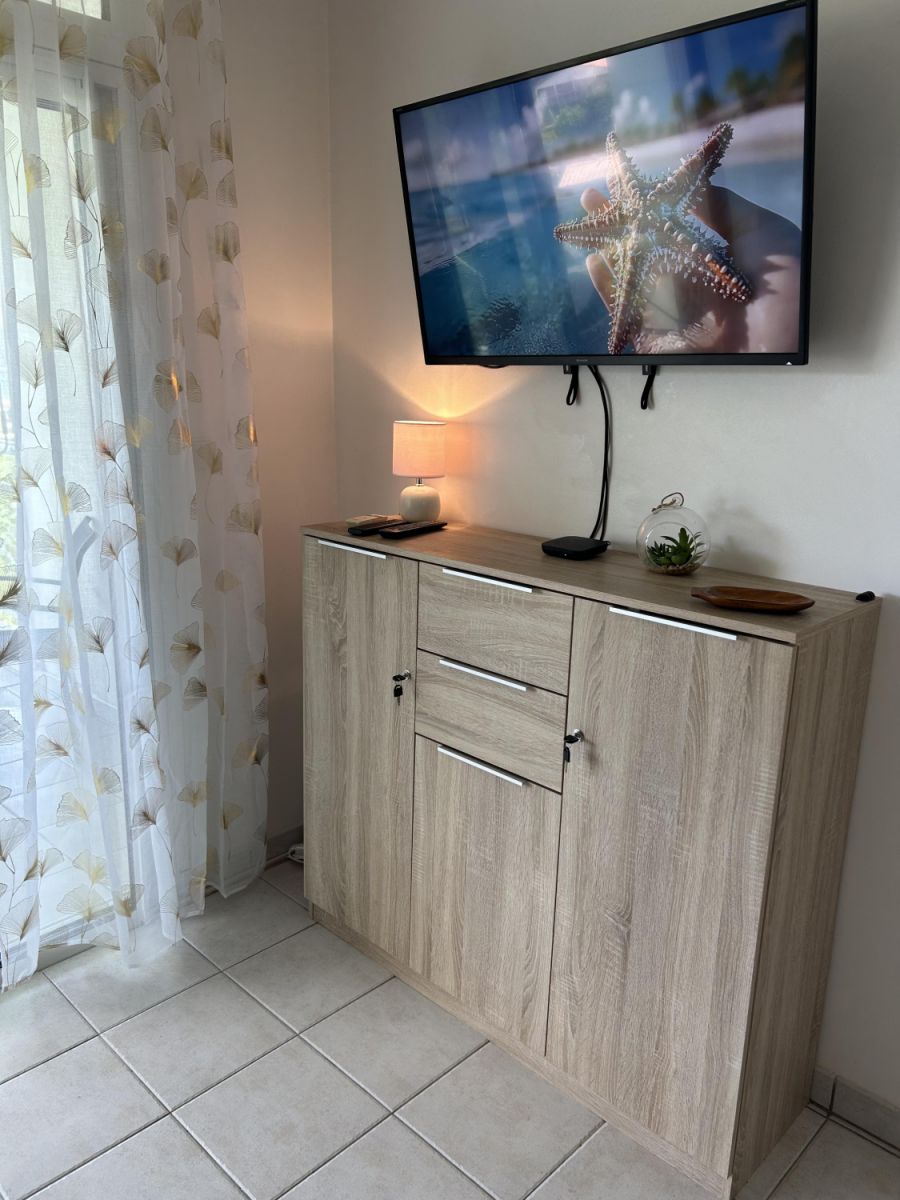
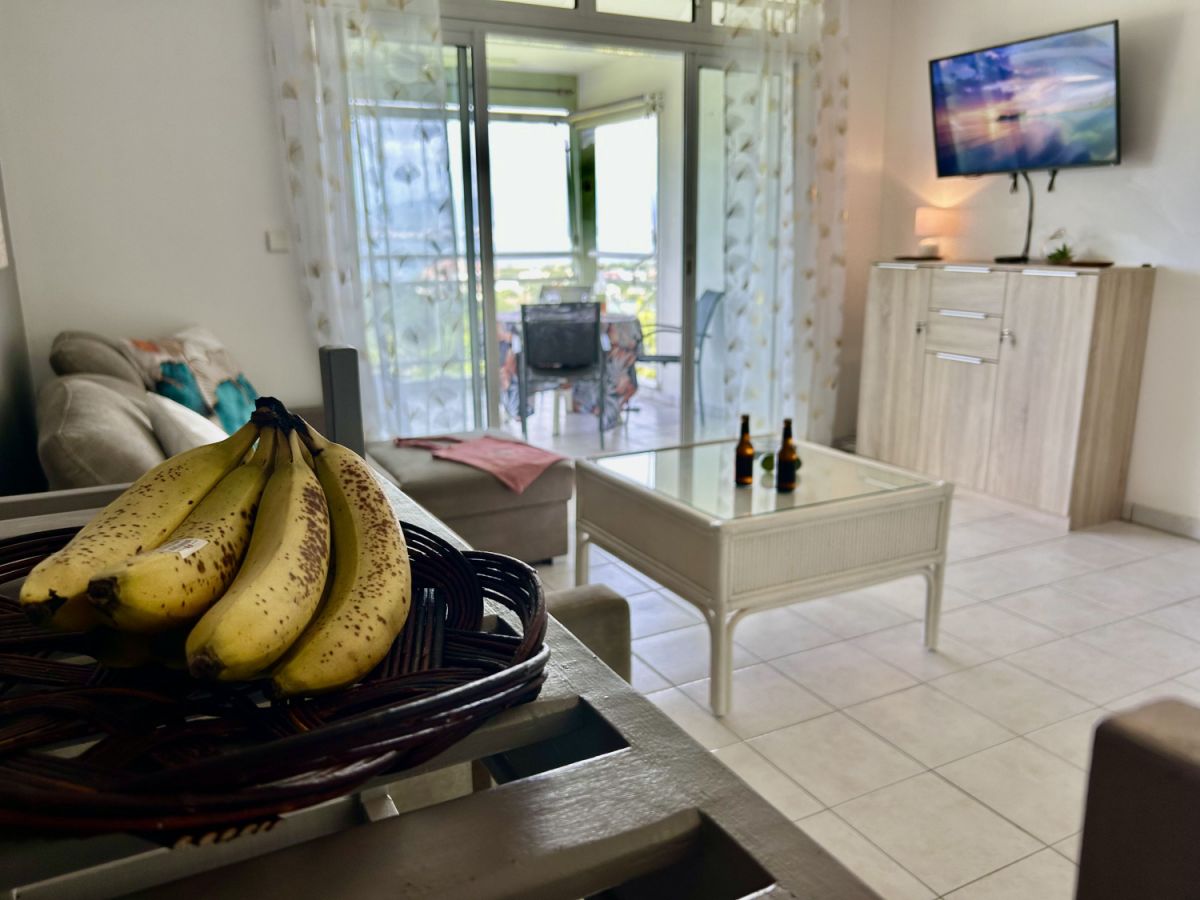
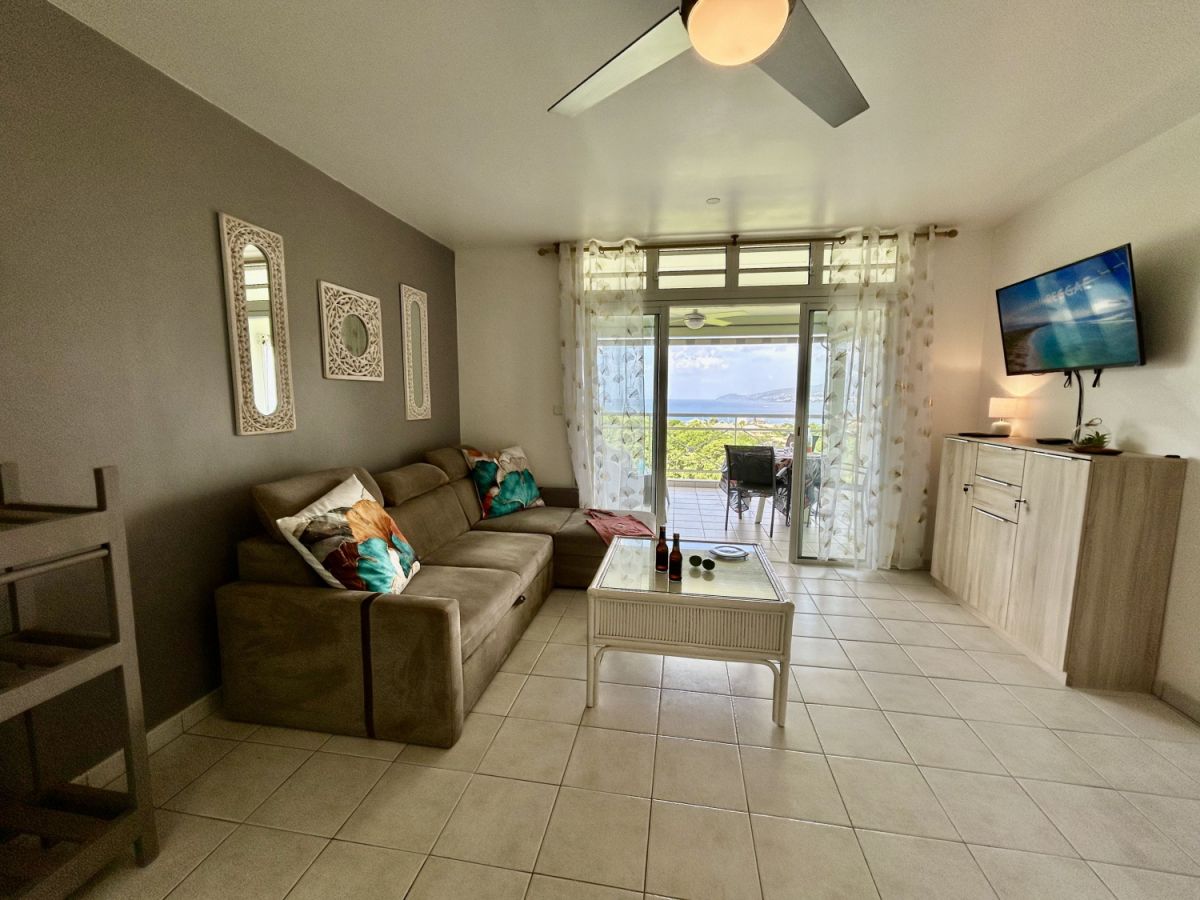
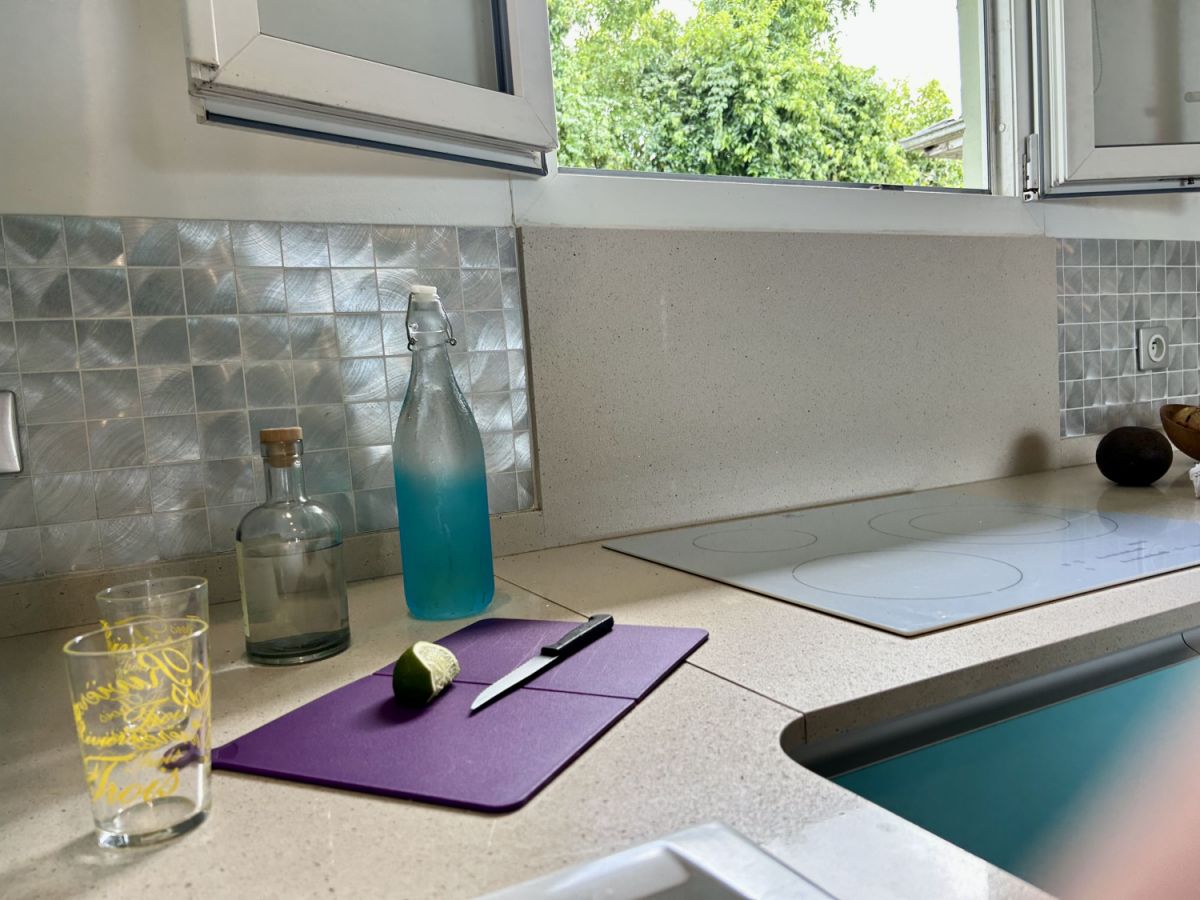
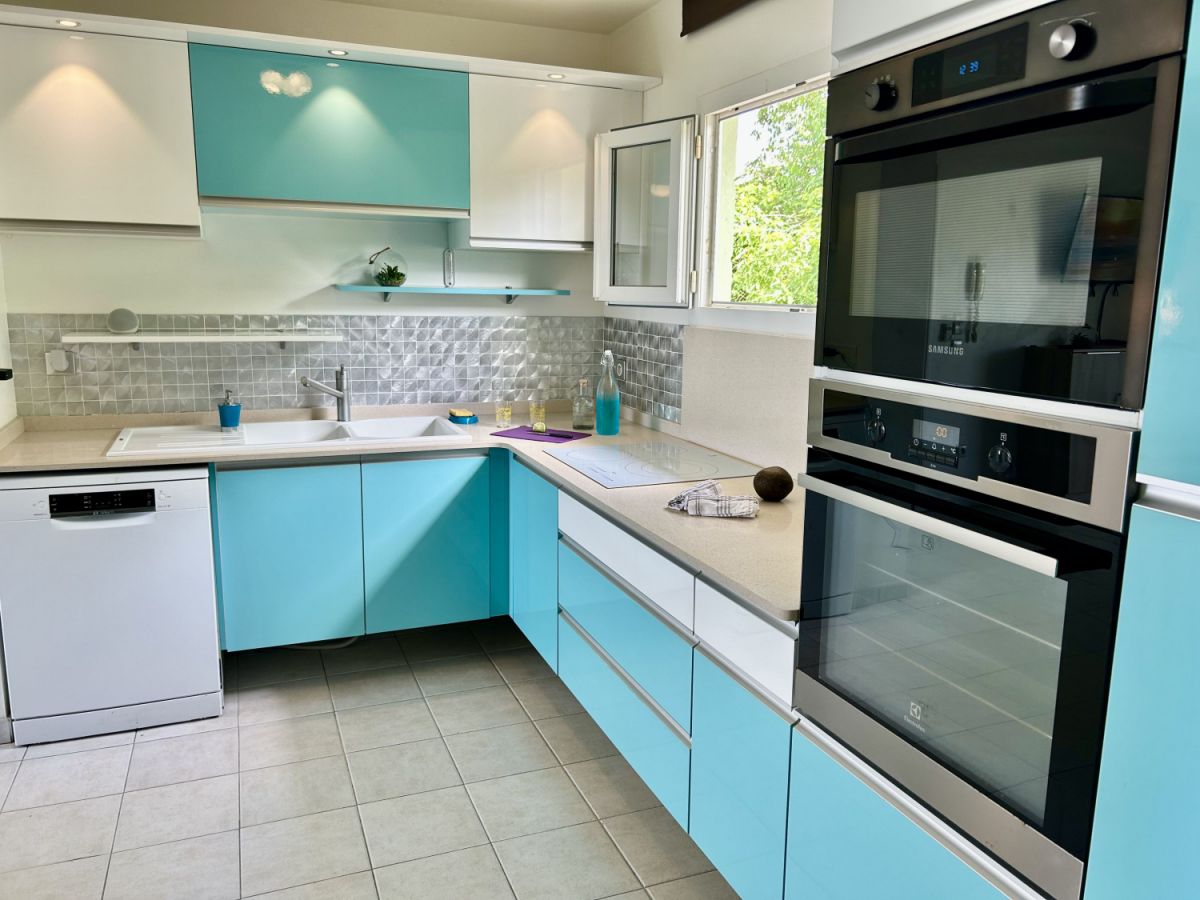
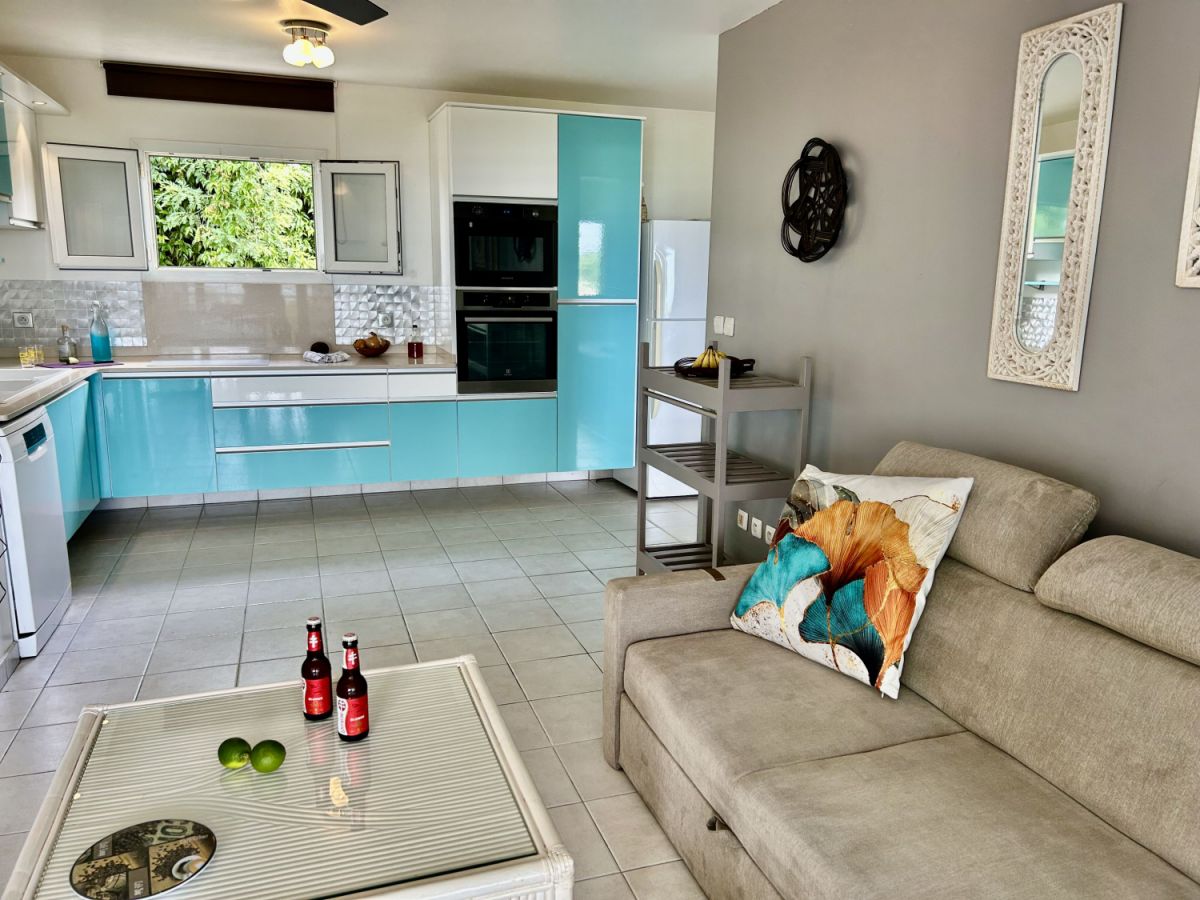
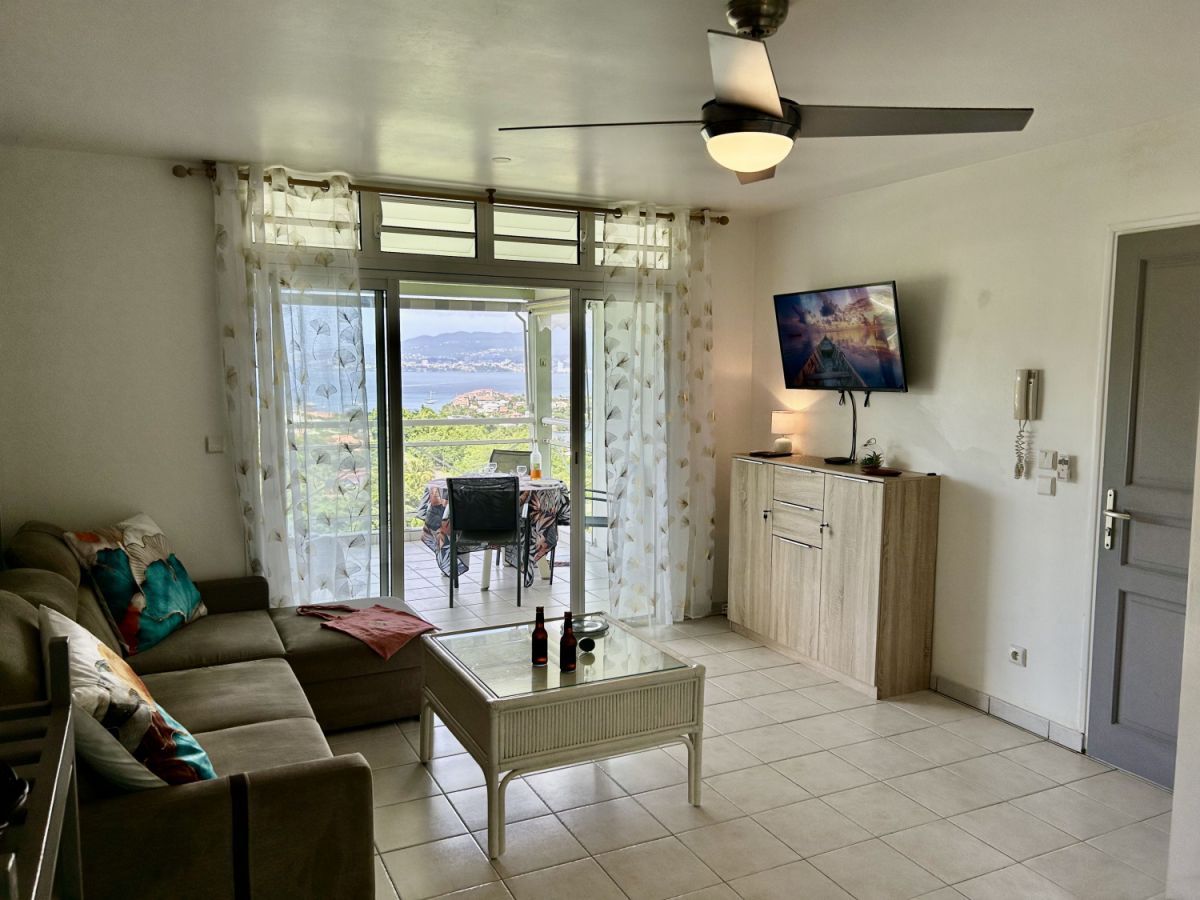
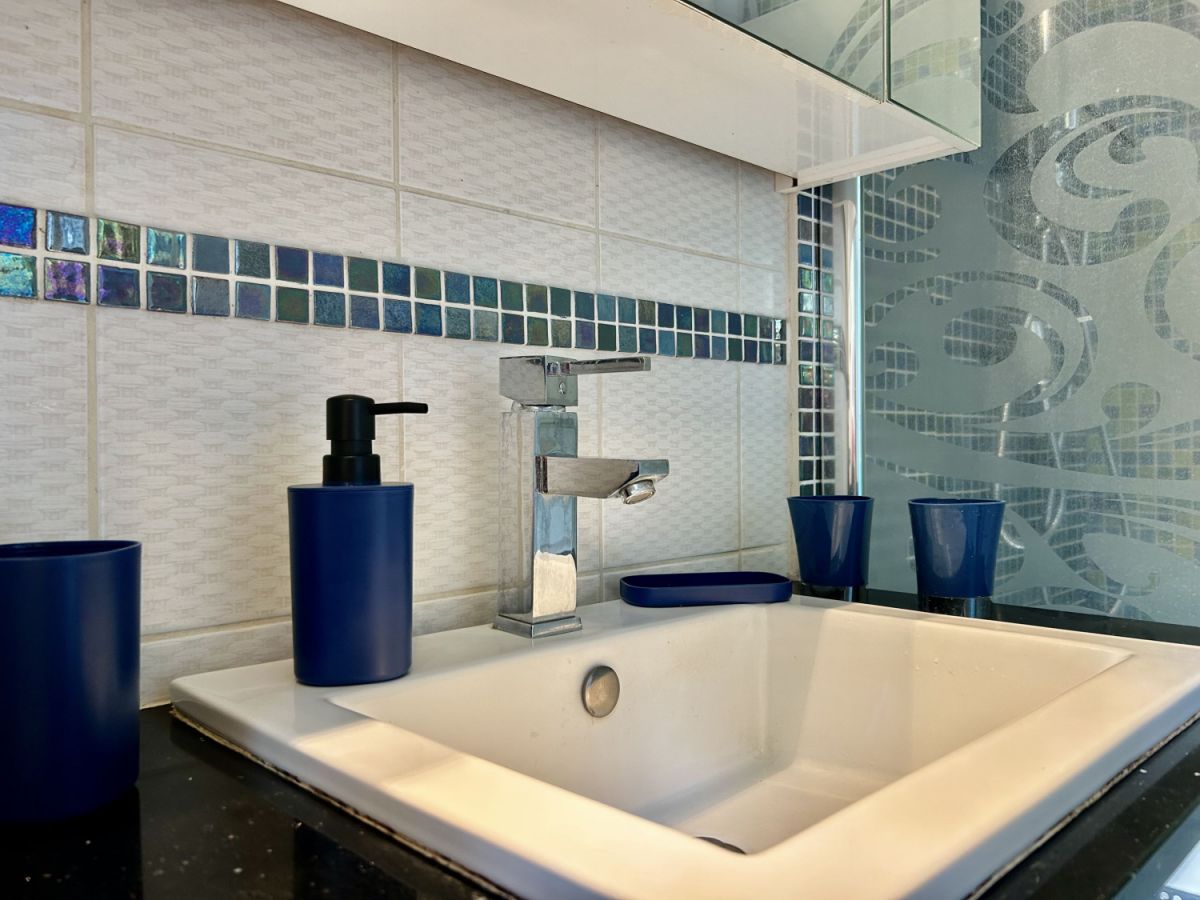
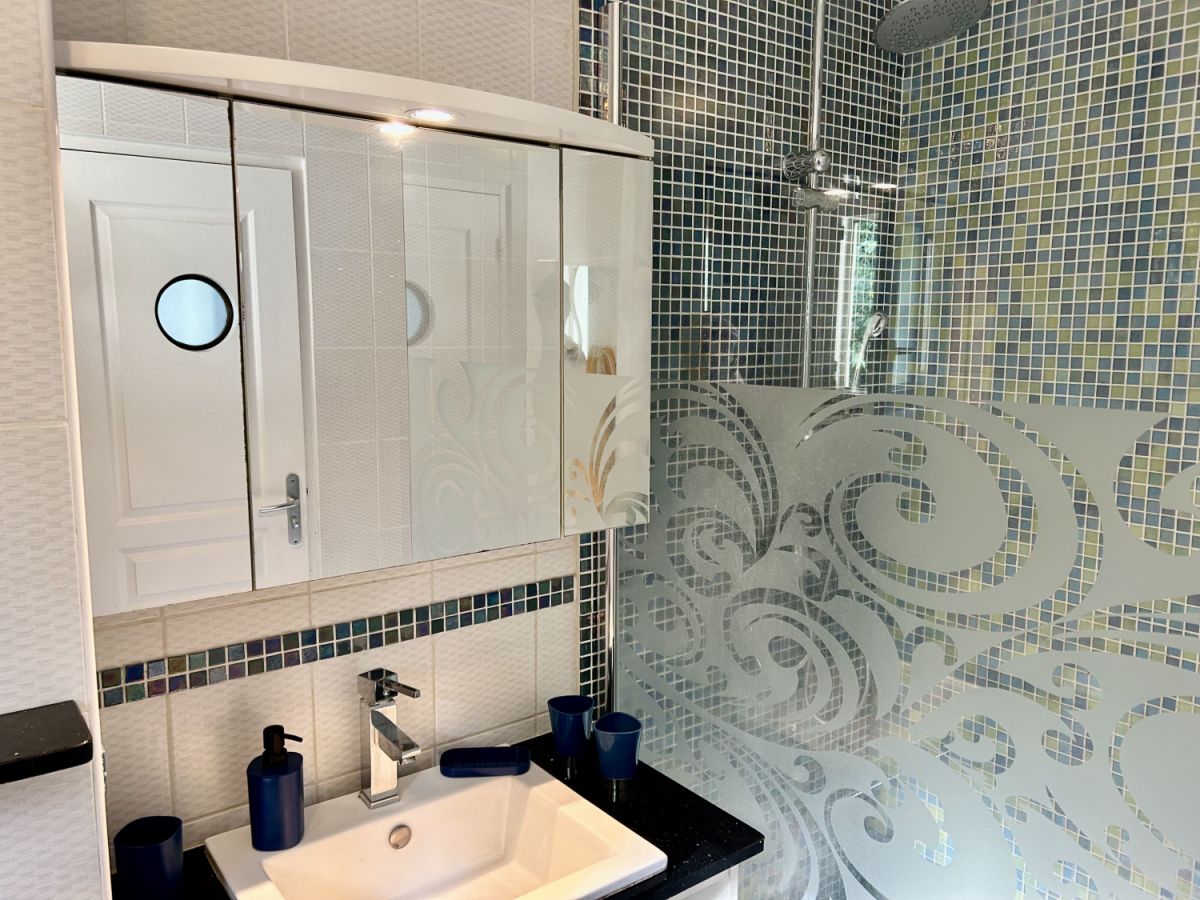
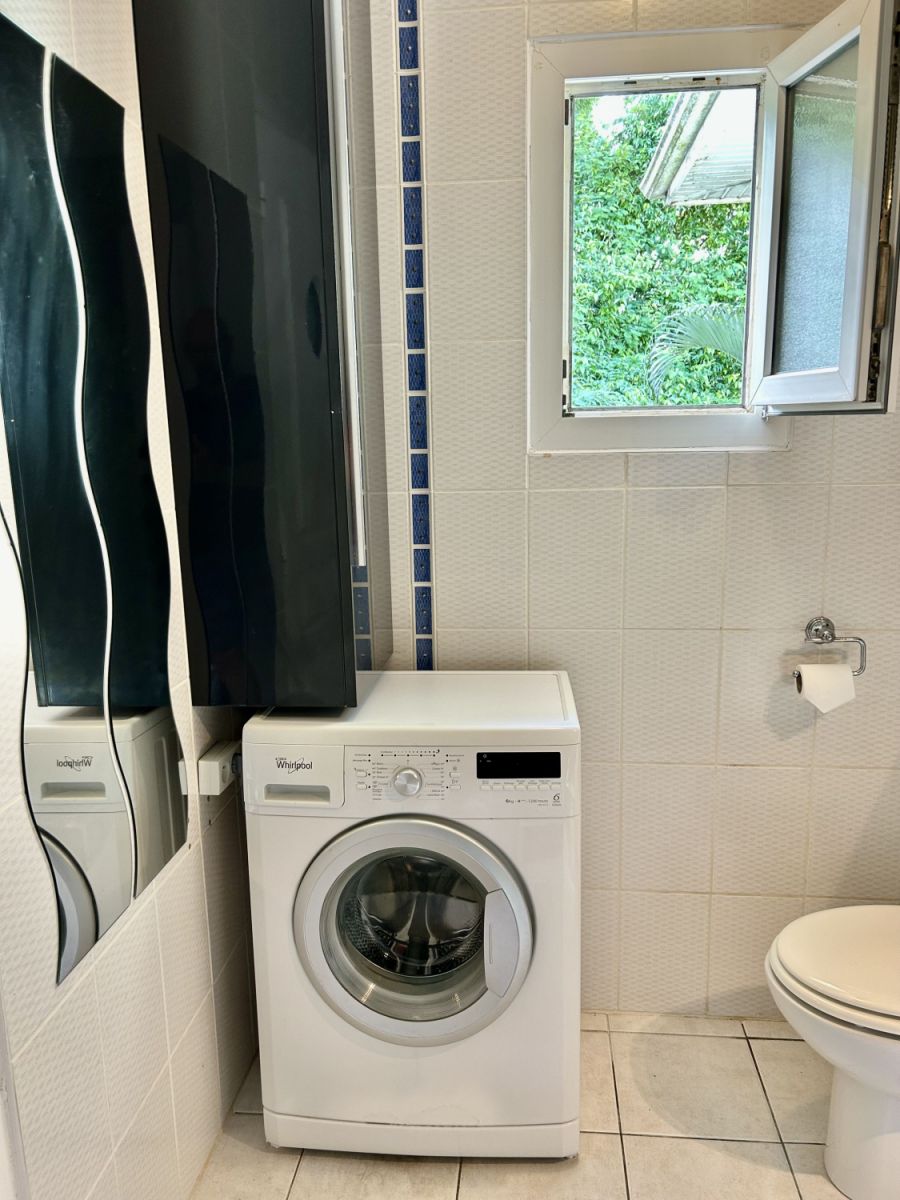
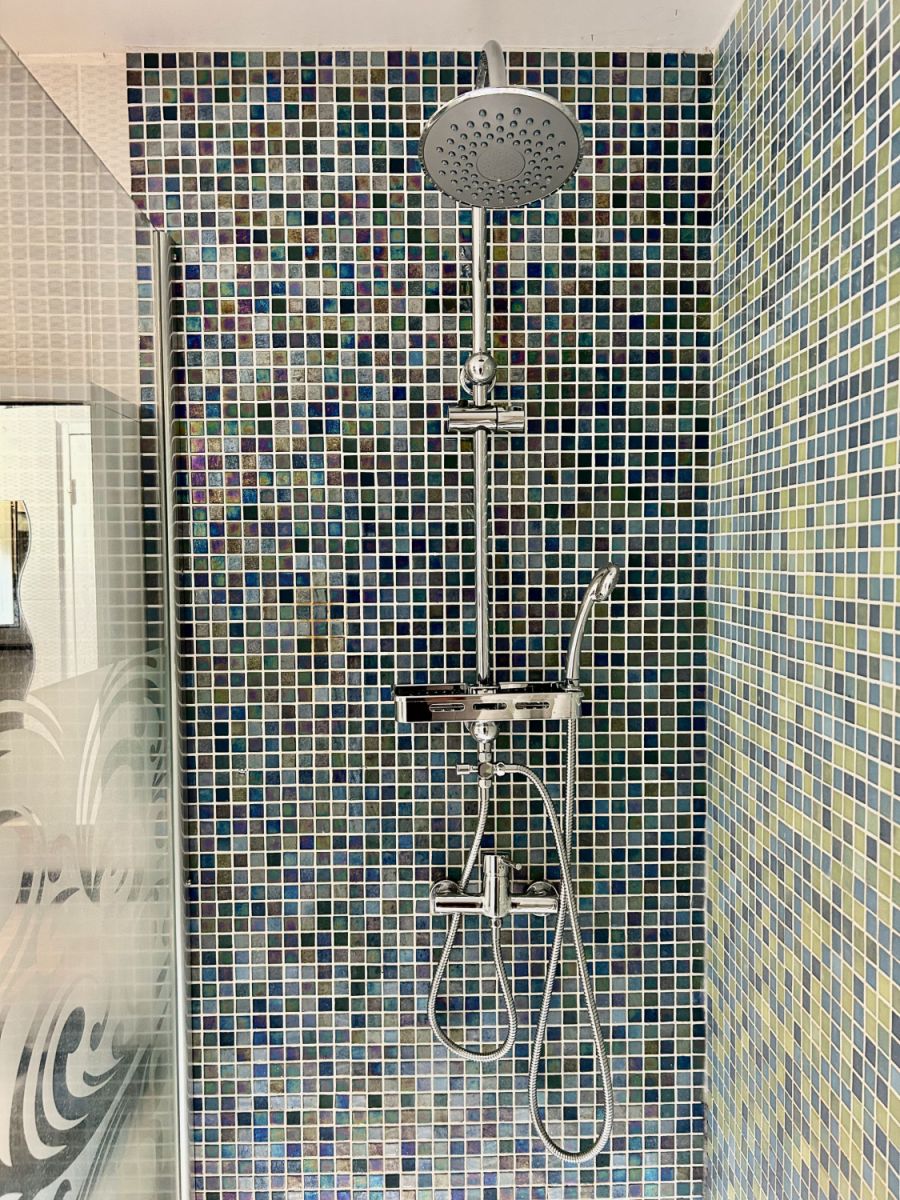
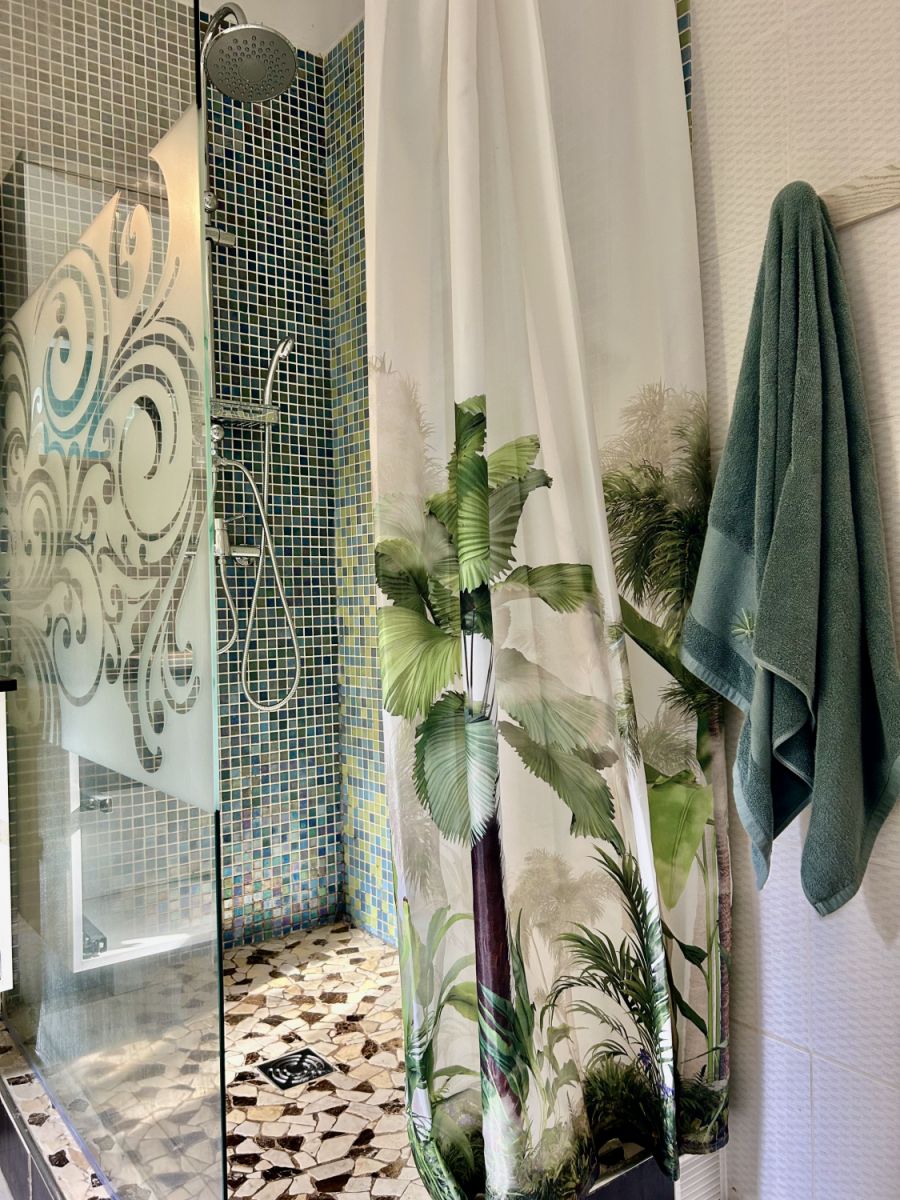
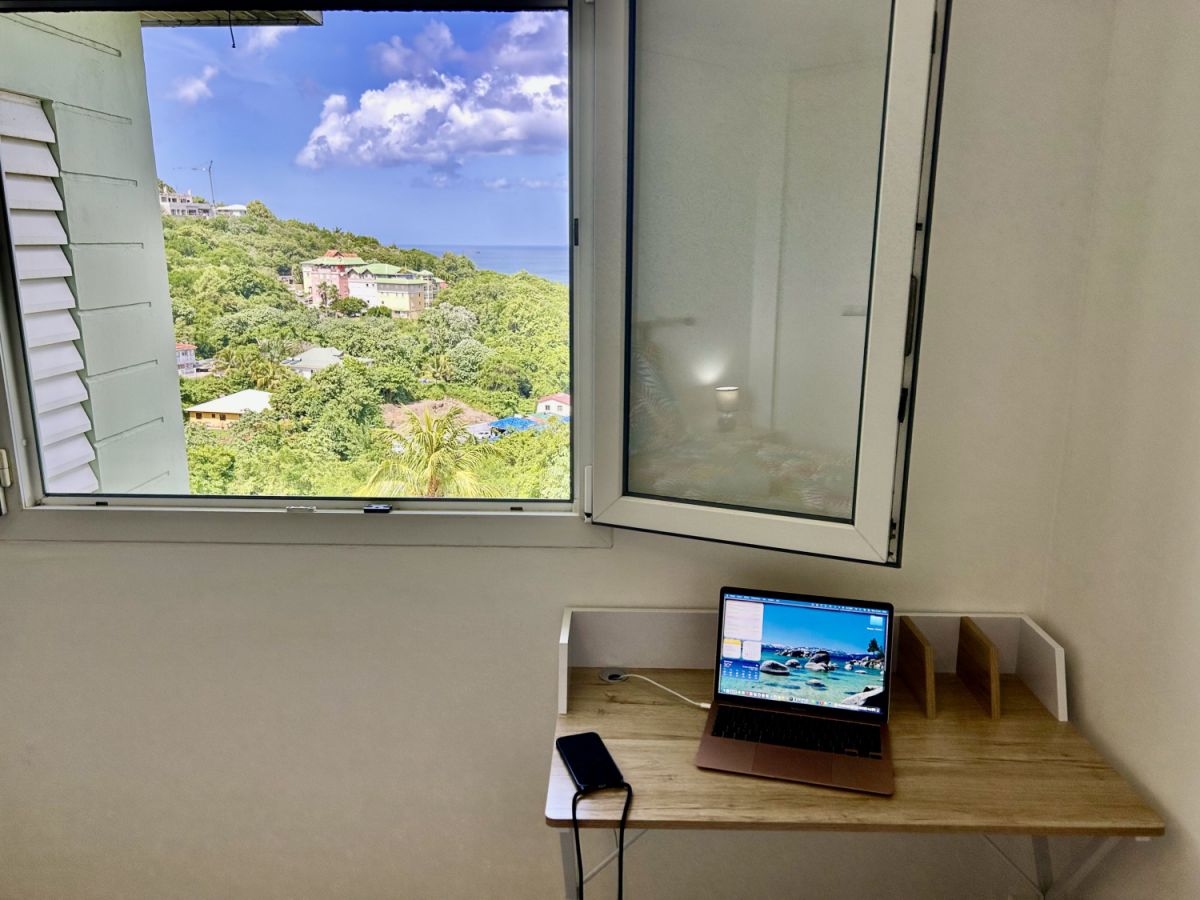
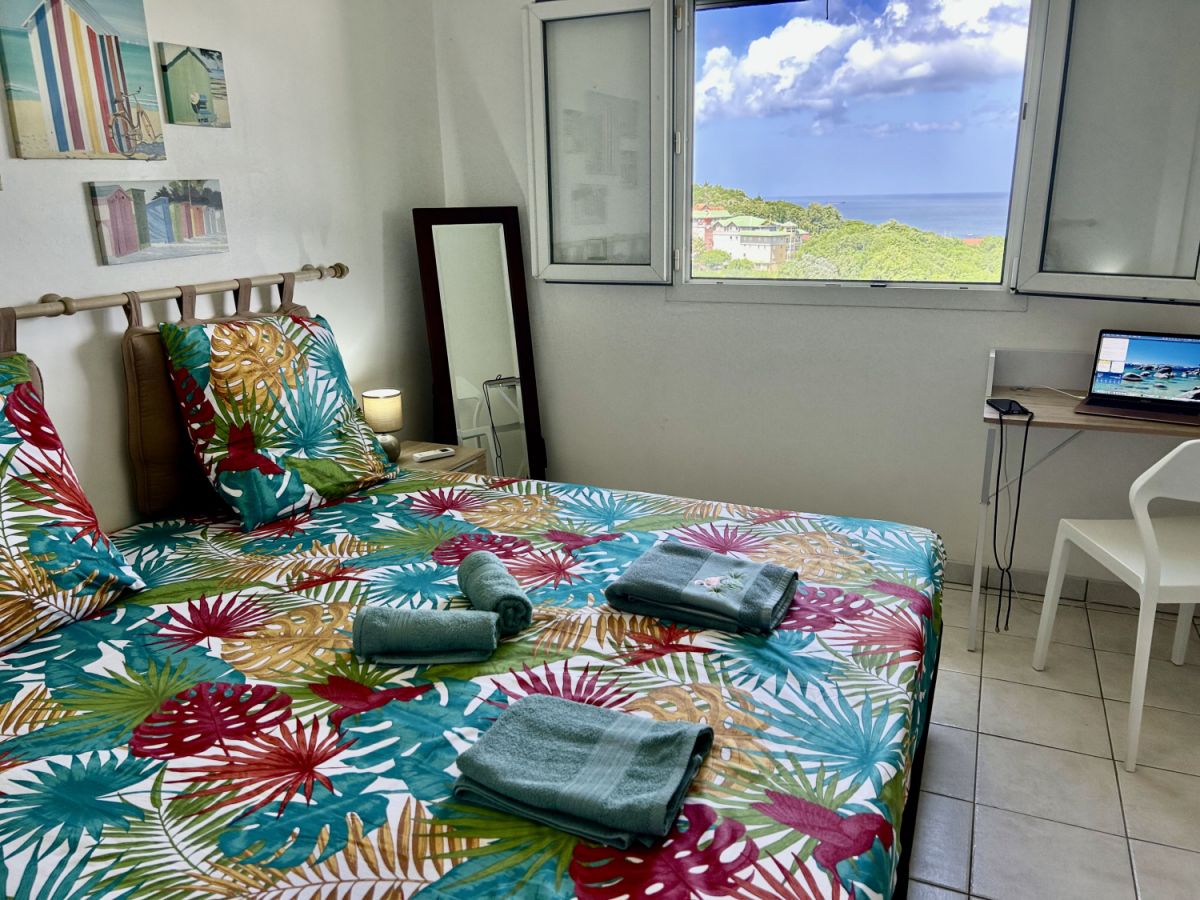
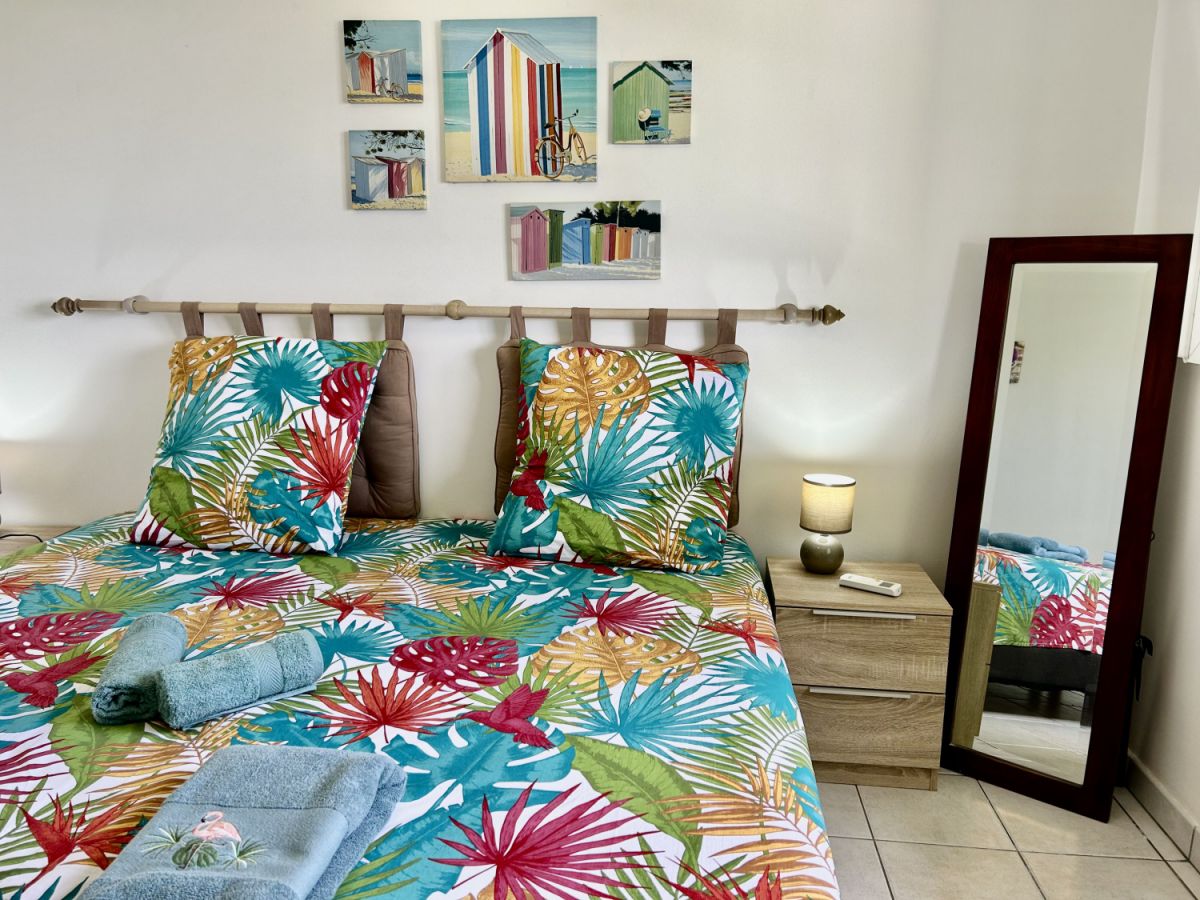
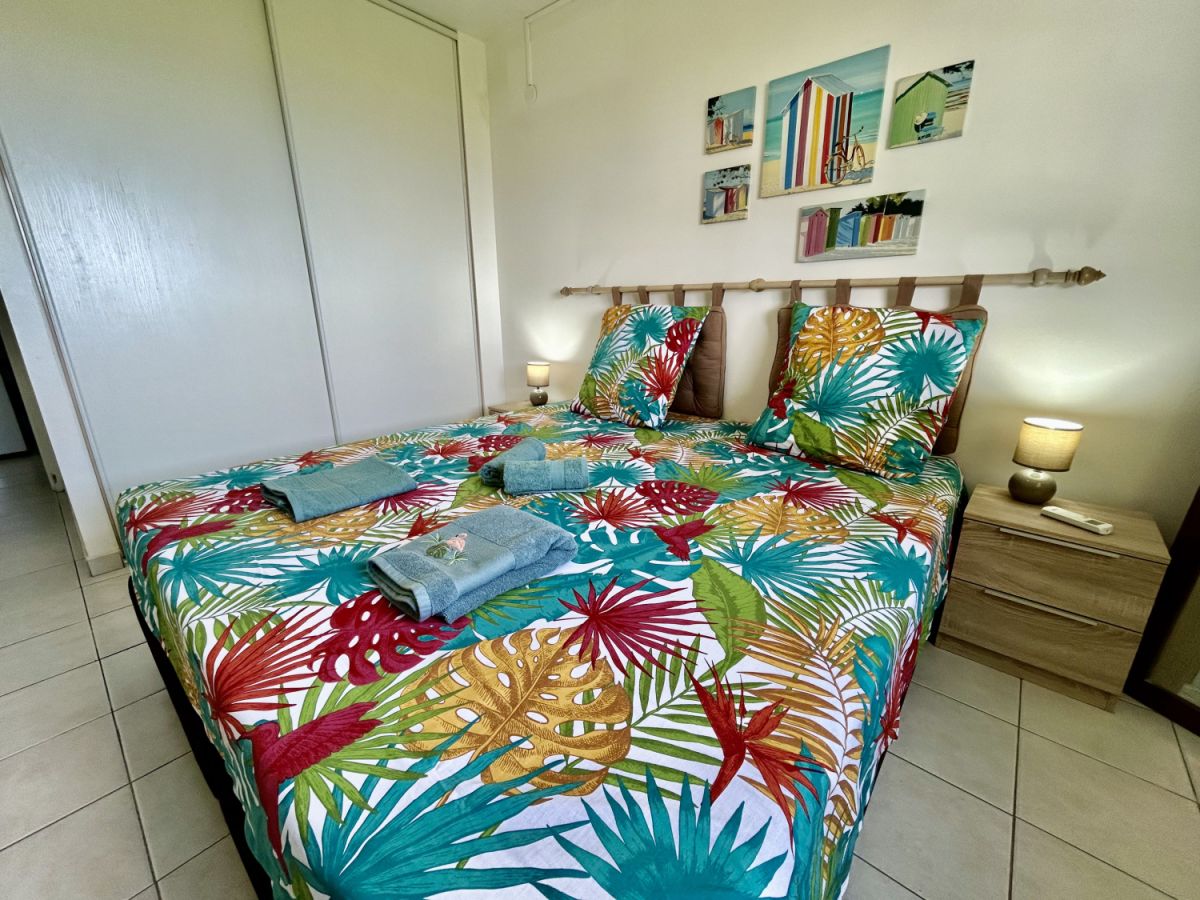
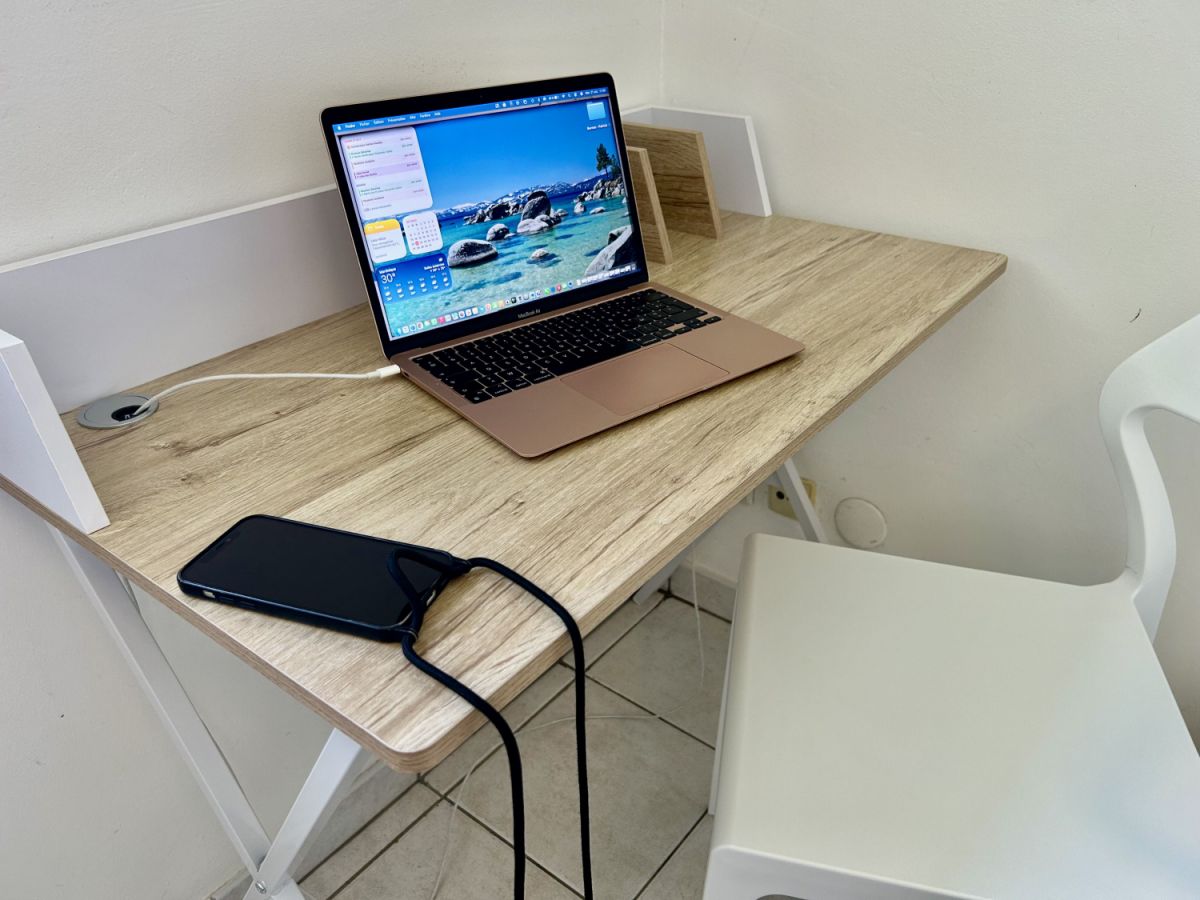
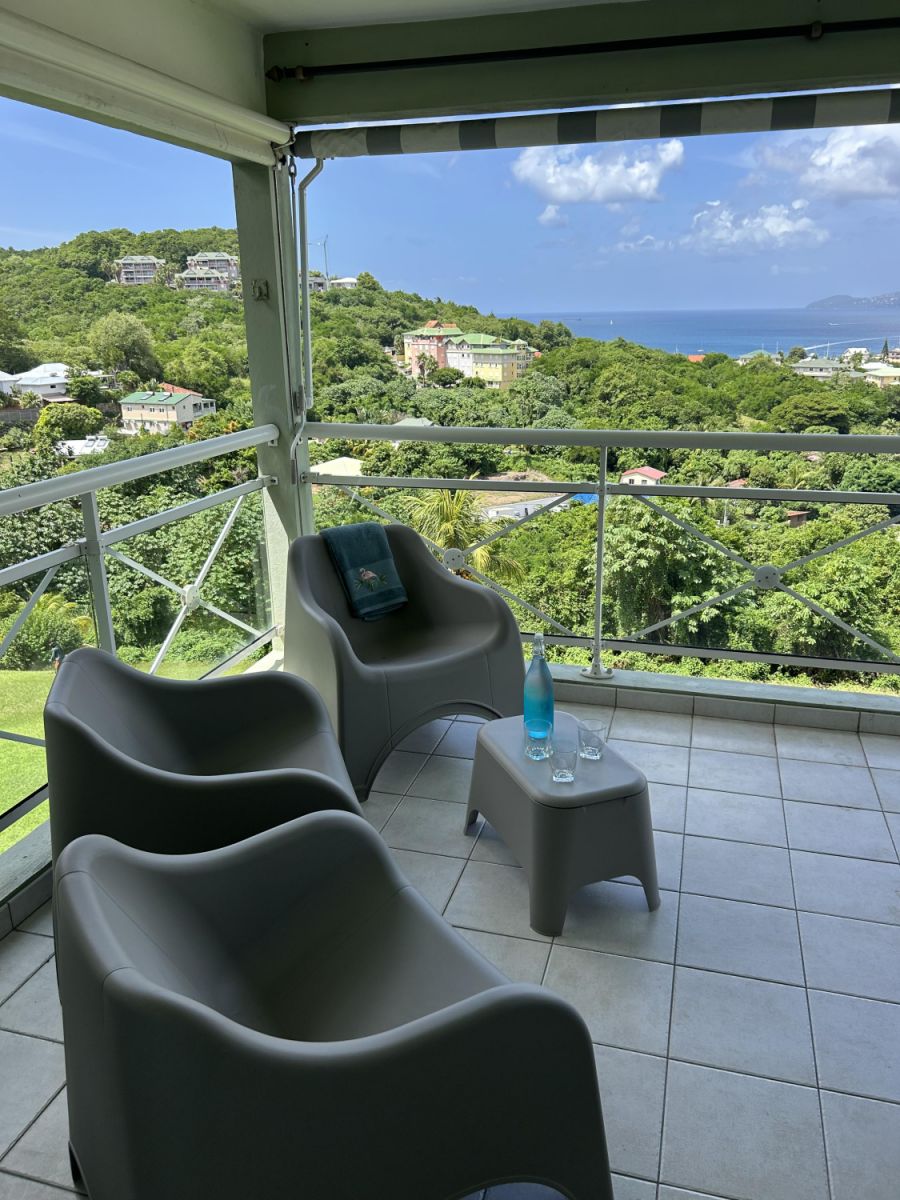
Madiana, to discover or to return to!
Martinique
In figures
Martinique is a small island of 1,100 km² located on the 14th parallel north, in the eastern Caribbean Sea. Relatively flat in its southern part, Mount Pelée rises to a height of 1,397 meters in the north. The climate is decidedly tropical, with temperatures remaining almost constant at around 30°C.
Book your change of scenery!
Please select the start date of your stay, then the duration using the drop-down menu.
Minimum stay of 7 nights or contact us for stays exceeding 4 weeks. This accommodation is not suitable for wheelchair users.
Alternative accommodation is available in Trois-Îlets:
www.villa-jalna-grenadine.fr
contact us



Résidence Altica, La Wallon
97229 - twa zilé (les 3 Ilets)
Martinique

Copyright tizile.fr